Rhodes Island Overview
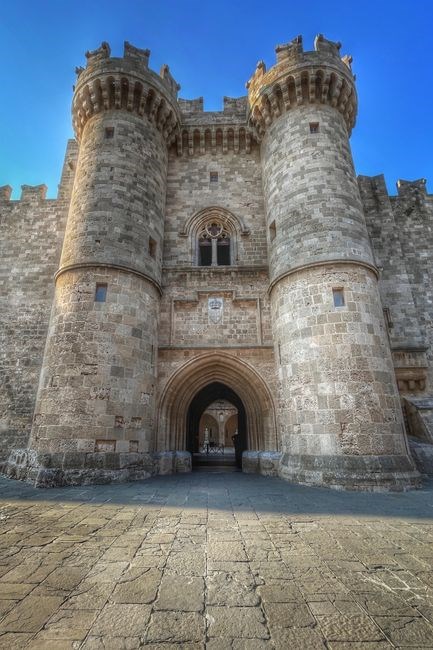
Rhodes, Greece’s largest Dodecanese island, blends ancient charm with modern allure. Its medieval Old Town, a UNESCO site, winds through cobblestone streets, while pristine beaches offer turquoise waters. Rich history, vibrant markets, and welcoming locals make it a must-visit destination. Enjoy!
Getting There: Transportation Options
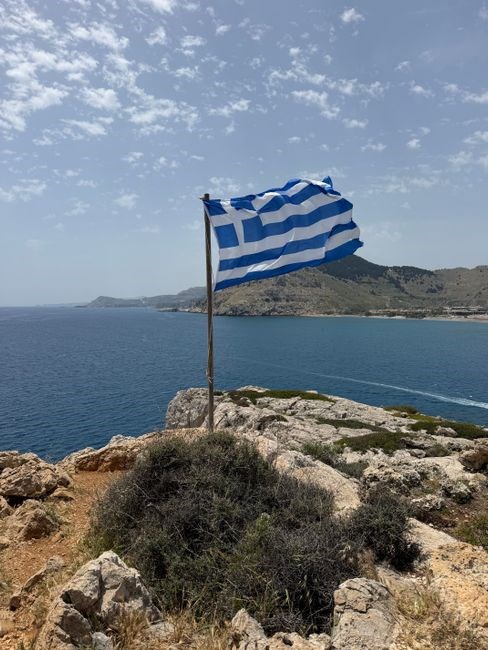
Rhodes International Airport (RHO) serves the island, receiving flights from Athens, Thessaloniki, and seasonal European cities. A 30‑minute drive from the airport to the Old Town is available via taxis, private transfers, or the public bus network. For those arriving by sea, the port of Rhodes welcomes cruise liners and ferries from nearby islands such as Kos, Patmos, and Symi, as well as daily services from Athens’ Piraeus port. The 1‑hour ferry ride from Piraeus takes you directly to the port of Rhodes, where a network of local buses and shared taxis (taxis in Greek: “taxi”) connect to the city center. Travelers can also opt for a private car hire, which offers flexibility for exploring the island’s inland attractions, including the ancient sites of Kamiros and Lindos. The island’s public transport system is well‑coordinated, with buses running every 30 minutes during peak season, and a seasonal night bus that links the port to the Old Town. For those who prefer a more scenic route, a 45‑minute scenic drive along the coast offers breathtaking views of the Aegean Sea and the island’s rugged coastline. Additionally, a small network of bike rentals and walking tours are available in the Old Town, allowing visitors to explore the medieval streets at a leisurely pace. Whether you choose air, sea, or land, Rhodes’ transportation options are designed to accommodate a wide range of budgets and travel preferences, ensuring a smooth and enjoyable arrival experience.Book early save rates.!!
Best Times to Visit Rhodes
Rhodes enjoys a climate, but the island’s appeal shifts with the seasons. Early spring (March‑April) offers temperatures (18‑22 °C), bougainvillea, and fewer tourists, making it ideal for cultural walks and market visits. Late summer (September‑October) delivers seas (26‑28 °C) and skies while the crowds thin, allowing comfortable beach days and evening strolls through the Old Town. The shoulder months of May, June, and November balance weather with prices and quieter streets, perfect for exploring ancient sites like Kamiros and Lindos without the peak‑season rush. Avoid July‑August if you prefer a pace; the island can feel crowded and (up to 35 °C) may limit outdoor activities. Special events—such as the Easter liturgy in the Cathedral, the Christmas market in the Old Town, and the annual Folk Festival in August—offer events, but also attract larger crowds. For budget travelers, booking in late October or early March yields the best deals on accommodation and flights while still enjoying temperatures for the island’s scenic routes; Always check the local holiday calendar, as holidays can affect transport schedules and availability of services. By timing your visit to align with these seasonal windows, you’ll experience Rhodes’ historic charm, beauty, and vibrant culture at its most enjoyable and accessible. Families with children benefit from the island’s playgrounds, harbors, and restaurants, while adventure seekers can tackle the rugged western hills, such as the hike to the ancient fortress of the Knights. Overall, the island’s blend of history, and hospitality makes it a versatile destination for all ages everywhere and interests today. The island’s markets and friendly locals make every visit feel like home; Sunset views over the harbor are breathtaking, drawing photographers for!
Top Historical Attractions
Rhodes offers a tapestry of history: the Knights’ Palace, the 12th‑century Church of St. John, the Archaeological Museum, and the ancient theater of Rhodes. Each site narrates layers of Byzantine, Crusader, and Ottoman influence, inviting visitors to step back in time. The ruins whisper ancient lore.!
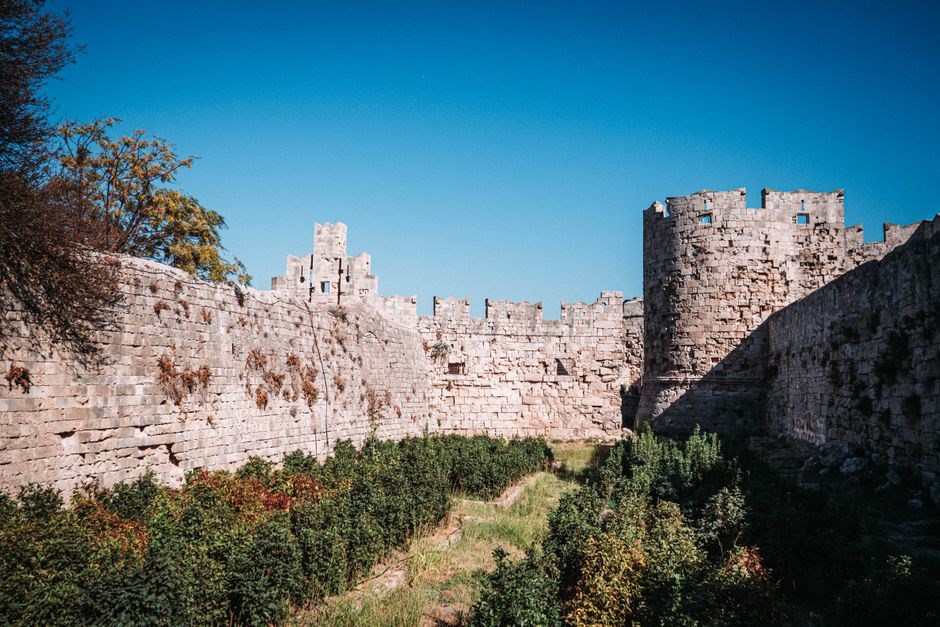
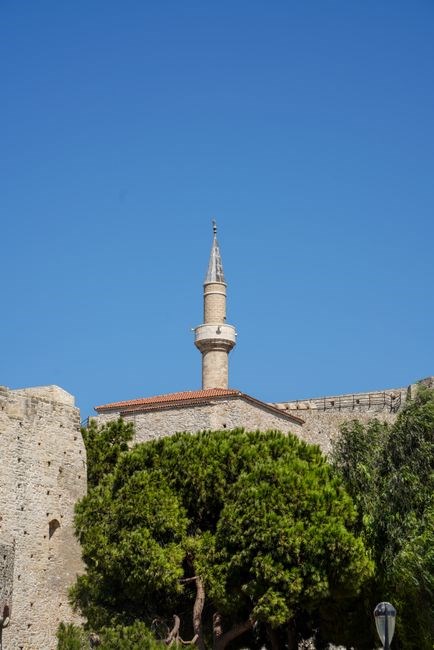
The Medieval City of Rhodes, a UNESCO World Heritage site, stands as a living testament to 14th‑century Crusader architecture. Enclosed by formidable stone walls, the city’s labyrinthine streets wind past the iconic Palace of the Grand Master, where the Knights of St. John once convened. Inside the palace, the grand halls, the ornate chapel, and the armory showcase intricate stonework and frescoes that narrate tales of chivalry and maritime prowess. Adjacent to the palace, the Street of the Knights offers a curated experience of medieval commerce, with restored shops, a bustling market, and the historic Clock Tower that still chimes daily. The city’s narrow alleys lead to the Church of St. John, a 12th‑century basilica that survived the 1480 earthquake, now a quiet sanctuary of marble and mosaics. Visitors can explore the ancient Roman theater, perched on a hill, offering panoramic views of the Aegean and the city’s fortified walls. Walking tours often include the ancient City Gate, the 14th‑century arch that once guarded the entrance, and the picturesque harbor where the city’s maritime trade thrived; The medieval city is not only a relic of the past but also a vibrant cultural hub, hosting festivals, art exhibitions, and culinary events that celebrate its storied heritage. Whether you’re tracing the footsteps of knights or simply admiring the architectural grandeur, the Medieval City of Rhodes invites you to immerse yourself in a living history that continues to inspire awe. The city’s layout reflects a strategic blend of defense and daily life, with fortified towers, watchtowers, and a network of underground passages that once served as secret escape routes. The medieval aqueduct, still visible along the cobblestones, supplied water to the inhabitants and is a testament to the engineering prowess of the era. In the evenings, the city’s square comes alive with street performers, local artisans selling handmade jewelry, and taverns offering traditional Greek mezze, allowing visitors to experience the medieval ambiance in a modern context. Educational plaques in multiple languages provide historical context, and guided tours led by knowledgeable locals delve into the legends of the Knights, the siege of 1480, and the city’s role in the Crusades. The medieval city also hosts an annual reenactment festival where actors portray knights, merchants, and sailors, bringing the past to vivid life. For those interested in archaeology, the nearby archaeological site of the ancient city of Rhodes offers a glimpse into the city’s earlier Hellenistic period, with ruins of temples, agora, and a theater that predate the medieval fortress.
Ancient Kamiros
Ancient Kamiros, one of Rhodes’ three major archaeological sites, dates back to the 8th century BCE and offers a rare glimpse into the island’s early urban planning. The city was founded by settlers from the nearby island of Crete, who established a thriving trade hub that connected the Aegean with the eastern Mediterranean. Archaeologists have uncovered the remains of a well‑planned grid of streets, public buildings, and residential houses, many of which were constructed with a distinctive use of stone and timber. The site’s most impressive feature is the agora, a large open square that served as the civic heart of the city, surrounded by stoas, temples, and a theater that could seat several hundred spectators. The ruins also reveal the city’s defensive walls, which were built to protect the settlement from pirate raids and rival city‑states. In addition to the archaeological remains, the site offers a visitor center with interactive displays that explain the daily life of Kamiros’ inhabitants, from their agricultural practices to their maritime trade networks. The surrounding landscape, with its olive groves and vineyards, provides a picturesque backdrop that reflects the island’s agricultural heritage. The site is accessible by a short drive from the modern town of Kamiros, and guided tours are available in several languages. Whether you are a history enthusiast or simply curious about ancient Greek urbanism, a visit to Ancient Kamiros offers an engaging and educational experience that brings the past to life.
Lindos Acropolis
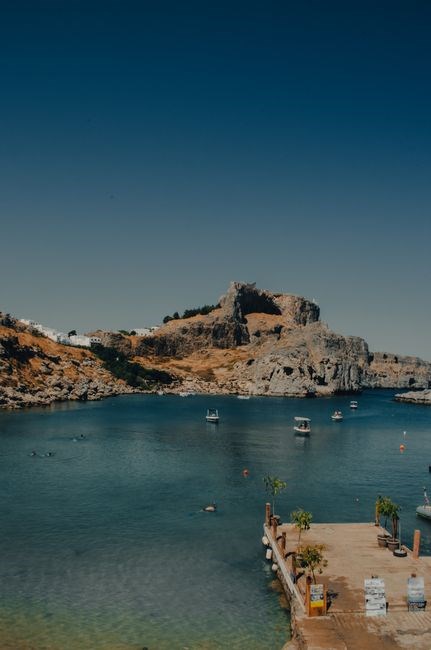
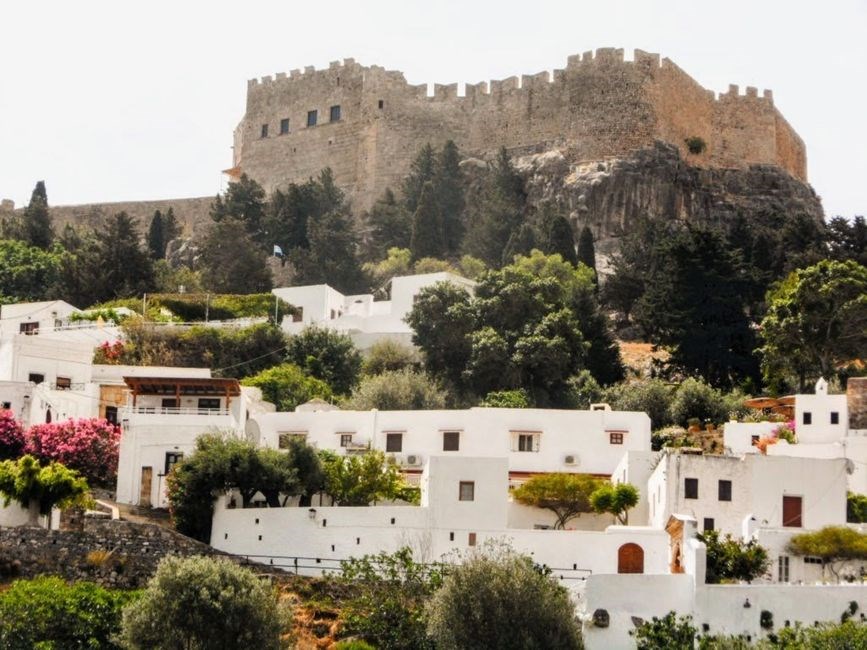
Perched atop the dramatic cliffs of Lindos, the ancient acropolis is a testament to the island’s Hellenistic splendor. Dating to the 3rd century BCE, the site was fortified by the Romans and later expanded during the Byzantine era, creating a layered tapestry of architectural styles. Visitors can wander through the remains of the Temple of Athena, whose marble columns once faced the Aegean, and the theater that could accommodate thousands of spectators. The acropolis offers panoramic vistas of the turquoise sea, the whitewashed villages below, and the surrounding olive groves, making it a favorite spot for photographers and history lovers alike. Guided tours highlight the strategic importance of the acropolis as a military lookout, while the nearby museum displays pottery, inscriptions, and mosaics that chronicle the daily life of its ancient inhabitants. The site’s accessibility is enhanced by a well‑maintained path that leads from the town center, and the local guide service provides multilingual commentary. Whether you’re tracing the footsteps of Greek warriors or simply enjoying the sunset over the Mediterranean, the Lindos Acropolis remains a captivating destination that bridges past and present. Its stone‑covered terraces and ancient ruins invite both scholars and casual wanderers to step back in time and feel the enduring spirit of Rhodes. Its legacy continues to inspire modern visitors, reminding them of the island’s resilience and timeless allure. Enjoy.Explore
Stunning Beaches to Explore
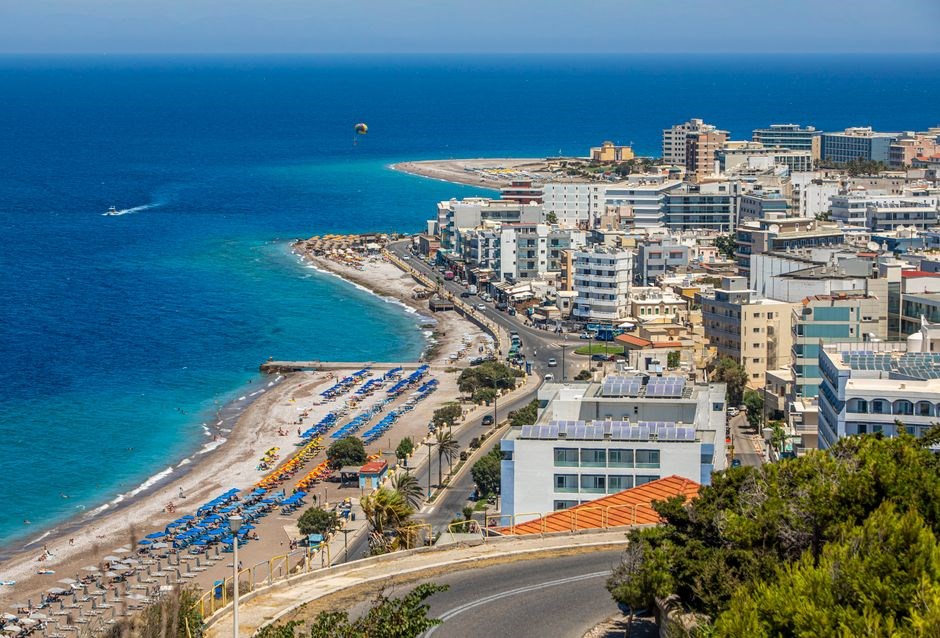
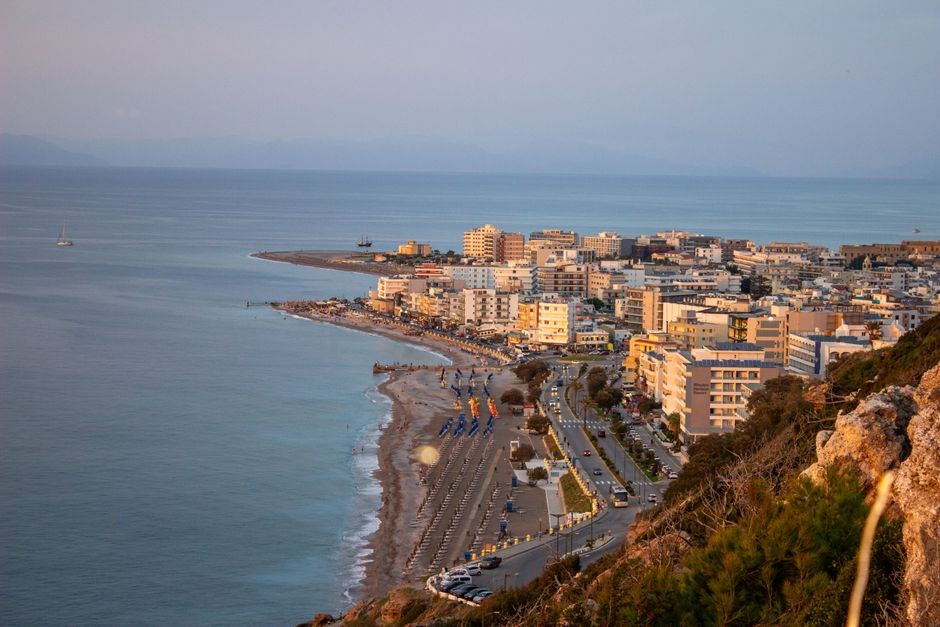
Rhodes offers a mosaic of coastlines, each with its own character. In the north, Tsambika Beach stretches over a kilometre of golden sand, backed by pine trees and a shallow lagoon that invites families and snorkelers alike. The waters here are remarkably clear, making it a favourite spot for diving enthusiasts who can spot colourful Mediterranean fish and occasional octopus hiding among the rocks. The lagoon’s shallow depth allows visitors to wade to the centre, where a small islet offers a quiet spot for a picnic. Further east, the long stretch of Faliraki Beach is a bustling hub of activity, with water‑sports shops, beach bars, and a lively promenade that attracts both tourists and locals. The beach’s fine sand and calm waves make it ideal for sun‑bathing and swimming, while the nearby promenade hosts nightly music events that add to the vibrant atmosphere. In the western part of the island, the tranquil Kolymbithres Beach is a hidden gem, featuring natural stone arches and caves that create a dramatic backdrop for photography. The beach’s shallow waters are perfect for swimming, and the surrounding cliffs provide a sense of seclusion away from the more crowded spots. For those seeking a quieter retreat, the secluded Agathi Beach offers a pristine stretch of sand with minimal development, allowing visitors to enjoy the untouched beauty of the Aegean. Across all these beaches, the local authorities maintain clean facilities, and the presence of lifeguards ensures safety for all. Whether you prefer a lively day of water‑sports or a peaceful afternoon of sun‑bathing, Rhodes’ coastline delivers a diverse range of experiences that cater to every type of traveller. Sunsets paint the sky in gold and crimson!
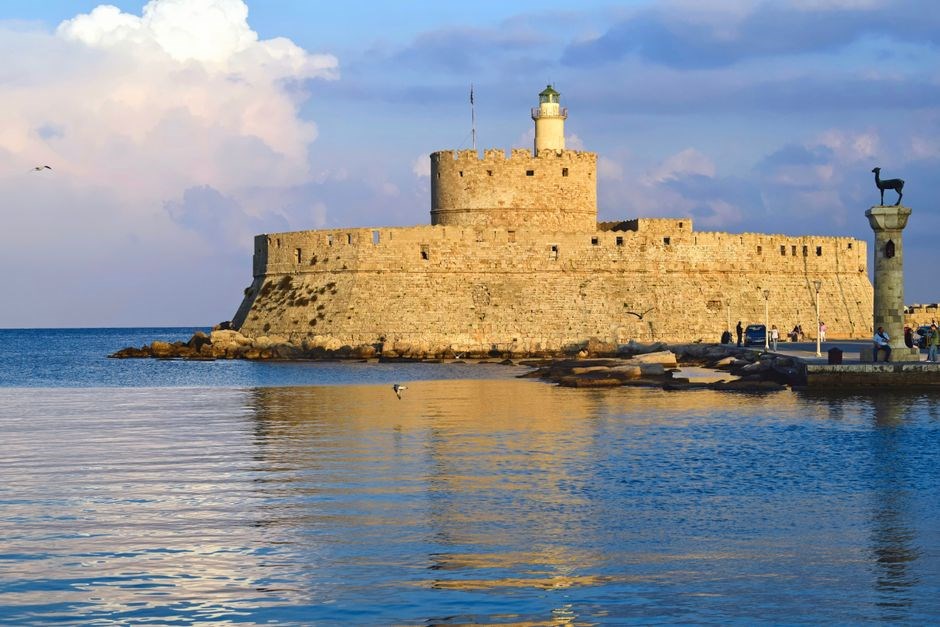
Sample Itinerary for 3 Days
Day 1: Arrive in Rhodes and settle into your accommodation. Spend the morning wandering the cobbled streets of the Medieval Old Town, admiring the Palace of the Grand Master and the Street of the Knights. Enjoy a traditional Greek lunch at a taverna overlooking the harbor, then visit the Archaeological Museum to see artifacts from the island’s ancient past. In the late afternoon, stroll along the promenade to catch a sunset over the Aegean Sea. Overnight in the Old Town.
Day 2: Start early with a transfer to Tsambika Beach for a day of sun, sea, and sand. After a beachside lunch, explore the nearby lagoon and its hidden islets. In the afternoon, hop on a short boat tour to Lindos, where you can climb the Acropolis for panoramic views and then relax on the nearby sandy shore. Return to your hotel for a relaxed evening, perhaps sampling local wines at a rooftop bar.
Day 3: Dedicate the final day to cultural immersion. Visit the ancient city of Kamiros, walking through its well‑preserved ruins and learning about its Hellenistic heritage. Then head to the local market in Rhodes Town to pick up fresh produce, olives, and a souvenir or two. Finish your trip with a farewell dinner featuring fresh seafood and traditional Greek meze, reflecting on the island’s blend of history, culture, and natural beauty.
Throughout the trip, keep a flexible schedule to enjoy spontaneous moments—whether it’s a sunset cruise or a local festival. Pack light, bring sunscreen, and stay hydrated, as the Aegean sun can be intense. Respect local customs, and enjoy Rhodes warm hospitality
Delicious Local Cuisine
Rhodes’ culinary scene is a vibrant tapestry that blends Mediterranean flavors with local traditions. The island’s cuisine reflects its history, geography, and the influence of various cultures that have passed through its shores. Fresh seafood is a staple, with dishes like grilled octopus, fried calamari, and the famed “kleftiko” – slow‑cooked lamb marinated in garlic, oregano, and lemon. Vegetables, especially eggplant, zucchini, and tomatoes, are often prepared as “gemista,” stuffed with rice and herbs, or served as “tiganites,” sautéed with olive oil and herbs. A must‑try is the “moussaka,” a layered casserole of eggplant, minced meat, and béchamel sauce, baked to golden perfection. For a lighter option, the “souvlaki” – skewered pork or chicken, seasoned with oregano and lemon, is a popular street‑food favorite. The island’s bakeries offer delightful pastries such as “bougatsa,” a sweet custard‑filled phyllo, and “loukoumades,” deep‑fried dough balls drizzled with honey and cinnamon. Traditional Greek salads, made with ripe tomatoes, cucumbers, olives, feta, and a generous splash of extra‑virgin olive oil, are a refreshing accompaniment. Local cheeses, including “graviera” and “kasidi,” are often paired with honey or quince jam. For dessert, “baklava” – layers of phyllo, nuts, and honey syrup – is a sweet finale. Pair these dishes with a glass of local wine, such as the robust “Assyrtiko” from nearby islands, or a chilled “ouzo” for a spirited finish. Whether dining in a seaside taverna or a rooftop restaurant overlooking the sunset, Rhodes offers a culinary experience that satisfies both the adventurous palate and the comfort‑seeking traveler. The island’s olive oil produced from locally grown olives is prized for its flavor and is often drizzled over fresh bread or used in dressings. Visitors can sample “raki,” a spirit, during a traditional Greek dinner, adding a spirited note to the meal.Enjoy
Where to Stay: Accommodation Guide
Rhodes offers a spectrum of lodging options that cater to every traveler’s taste and budget, from luxury resorts perched on cliffside terraces to charming boutique hotels tucked into the cobblestone lanes of the Old Town. For those seeking opulence, the Four Seasons Resort delivers panoramic sea views, an infinity pool, and a world‑class spa, while the Hotel Rodos blends traditional architecture with modern amenities and a private beach club. Mid‑range travelers will find excellent value at the Hotel Poseidon, a family‑run establishment with spacious rooms, a rooftop terrace, and complimentary breakfast featuring local cheeses, olives, and freshly baked bread. Budget‑conscious visitors can stay in the cozy Rhodes Backpackers, a hostel that offers both dormitory beds and private rooms, free Wi‑Fi, and a communal kitchen that encourages interaction among guests. For a truly authentic experience consider a stay in a traditional stone house in the villages of Alonissos or St. Paulmany of which have been converted into guesthouses with rustic décor, homemade meals and a sense of community. If you prefer a self‑contained holiday, the Agios Sostis villa rentals provide spacious apartments with private pools, fully equipped kitchens, and easy access to the island’s main attractions. No matter which option you choose, Rhodes’ hospitality guarantees warm welcomes, friendly service, and an unforgettable stay.
Nightlife and Entertainment
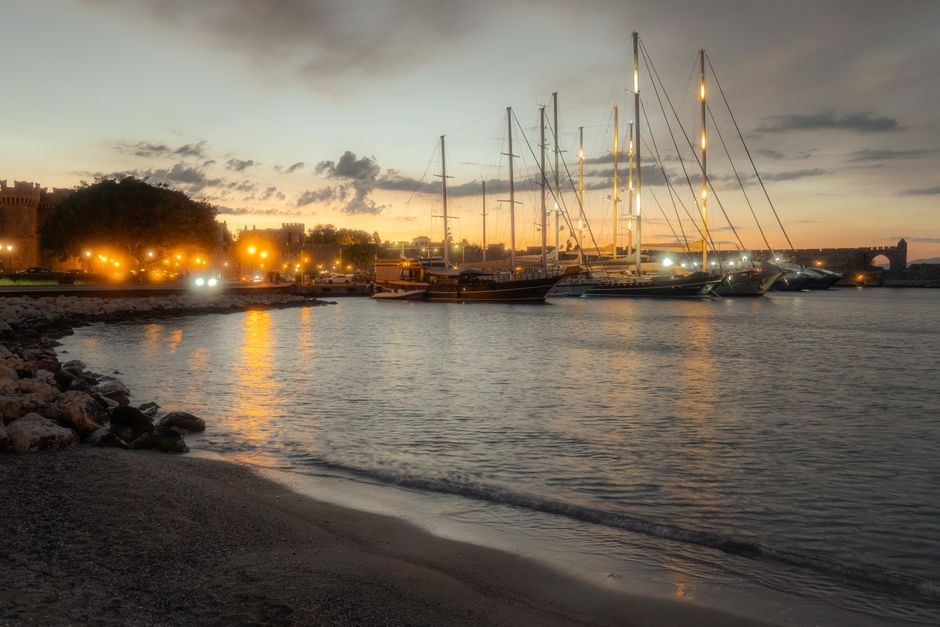
Rhodes’ nightlife is a vibrant mix of seaside bars, chic clubs, and cultural shows that cater to all ages. In the Old Town, cobbled streets host lively taverns where live Greek folk music fills the air, while rooftop bars offer panoramic sunset views over the medieval walls. The beachside promenade of Faliraki is famous for energetic nightclubs featuring international DJs, themed parties, and dance floors that keep guests moving until dawn. For a more relaxed evening, the harbor area in Lindos hosts intimate jazz lounges and wine bars where local vintages pair with traditional meze platters. Traditional Greek dance performances, such as the renowned “Dancing of the Kallikrates,” are staged nightly in open‑air theaters, drawing crowds of locals and tourists alike. The island also offers a variety of family‑friendly entertainment options, including open‑air cinema screenings under the stars and nightly puppet shows for children. Throughout the summer months, the annual “Rhodes Summer Festival” showcases live music, theater, and art installations, creating a cultural hub that extends the day’s festivities into the night. Whether you prefer a high‑energy club scene, a relaxed seaside bar, or an evening of cultural immersion, Rhodes provides a diverse nightlife that ensures every night is memorable. For those seeking a night, the cafés in the village of Kameiros offer performances and a selection of craft beers. Local police maintain a strict curfew of 2:00 a.m. for safety, but most venues stay open until 4:00 a.m. on weekends, allowing visitors to enjoy the full spectrum of Rhodes’ nocturnal charm and beyond the horizon!
Day Trips and Excursions
Rhodes offers a wealth of day‑trip options that showcase its diverse landscapes and cultural heritage. A popular excursion is a boat tour to the nearby uninhabited island of Symi, where crystal‑clear waters and a charming harbor await. Visitors can snorkel around the coral reefs, explore the quaint streets, and taste fresh seafood at a seaside taverna. For history buffs, a guided tour of the ancient city of Kamiros provides insight into the island’s Hellenistic past; the ruins of temples, agora, and the well‑preserved theater are highlighted by expert narrators. A scenic drive to the village of Lindos offers a breathtaking view of the Acropolis perched on a cliff, followed by a leisurely stroll through the cobblestone lanes and a stop at a local bakery for traditional loukoumades. Wine enthusiasts can head to the vineyards of the eastern foothills, where a tasting session pairs local Assyrtiko and Moschofilero with regional cheeses. Nature lovers may take a hike in the forested hills of the western plateau, where endemic flora and panoramic vistas reward early‑morning explorers. For a cultural immersion, a day in the traditional market of Rhodes Town allows travelers to sample fresh olives, olives, and local crafts while engaging with artisans. Each excursion can be arranged through reputable tour operators, many of which offer flexible itineraries, private transfers, and multilingual guides to ensure a seamless experience. Whether you seek marine adventures, archaeological intrigue, or culinary delights, Rhodes’ day trips provide a comprehensive taste of the island’s rich tapestry. All trips feature a local guide daily.!!
Safety and Health Tips
Rhodes is generally safe, but travelers should remain vigilant. Keep valuables in a hotel safe and avoid displaying expensive jewelry in crowded markets. Stick to well‑lit streets after dark and use licensed taxis or reputable ride‑share services. When hiking, carry a small first‑aid kit, sunscreen, and plenty of water; the island’s summer heat can cause dehydration. Pack a reusable water bottle and refill at public fountains to stay hydrated. For beach safety, stay within designated swimming areas and heed local lifeguard warnings. Avoid consuming tap water; opt for bottled water or filtered options. Check the local health advisories before traveling, especially during flu season. Carry a copy of your travel insurance and emergency contacts. If you have a chronic condition, bring sufficient medication and a doctor’s note. In case of a medical emergency, dial 112 for ambulance services. Finally, respect local customs: dress modestly when visiting churches and monasteries, and refrain from littering to preserve the island’s natural beauty.
Travelers should also be mindful of the local climate. Staying hydrated by drinking at least 2–3 liters of water daily is essential. Sunscreen with SPF 30 or higher should be applied every two hours, and a wide‑brimmed hat and sunglasses provide additional protection. When exploring the island’s rugged terrain, wear sturdy footwear to prevent slips and falls. Carry a basic medical kit, including pain relievers and antihistamines. Keep a copy of your passport and emergency contacts in a secure place. In case of a medical emergency, dialing 112 will connect you to emergency services immediately!
Useful Resources and Contacts
Keep handy the following links and numbers for a smooth stay on Rhodes. The official Rhodes Tourism Board (www.rhoades.gr) provides visitor info, maps, and events. Greek Tourism Organization (www.visitgreece.gr) offers advisories and booking portals. For emergencies, dial 112. The local Rhodes Police Station (1, L. K. 3rd St.) can be reached at +30 2260 200000. Health help is at Rhodes General Hospital (Hospital St.) phone +30 2260 200400. Tourist info is at the Rhodes Tourist Information Center (P. V. 5th St.) 9 am‑5 pm; phone +30 2260 200200. The Rhodes Tourist Police is at +30 2260 200300. For guides, contact Rhodes Association of Tour Guides (guides@rhodesguides.gr). Flights: Greek Airlines (www.greekairlines.gr) or Aegean Airlines (www.aegeanair.com). Inter‑island travel: Rhodes Ferry Service (www.rhodesferry.com). Weather: meteogreece.com. Banking: Alpha Bank (Bank St.) phone +30 2260 300000. Pharmacies: Pharmas Rhodios (3, P. V. 2nd St.) phone +30 2260 400500. Embassy: check your country’s embassy website. Rhodes Red Cross phone +30 2260 200500 offers emergency medical assistance. Cultural: Rhodes Cultural Center (5, L. K. 4th St.) hosts exhibitions, concerts, and workshops. Language: Rhodes Language Center phone +30 2260 200600 offers basic Greek lessons for travelers. Local buses run every 30 minutes between major towns; schedules are posted at bus stops. The island’s transport network includes buses, taxis, and rental scooters. Avoid carrying large sums of cash; use credit cards where possible. Always keep a hidden pouch. Pharmacies stock over‑the‑counter medication; for prescription drugs, bring a copy of your prescription. Free Wi‑Fi is available in most hotels and public areas; for reliable internet, consider a local SIM card. App: Rhodes Tourist Information App (iOS/Android) offers maps, itineraries, alerts, and a live chat feature for instant assistance. Keep a copy of passport, insurance, and emergency contacts secure. Enjoy vibrant nightlife and festivals!!!