
Author Mackenzi Lee: Early Life and Writing Career
Born in the U.S., Mackenzi Lee emerged as a fresh voice in YA historical fiction. Her debut, This Monstrous Thing, earned a PEN New England Susan P. Bloom Children’s Book Discovery Award. She followed with gentlemans guide to vice and virtue, NYT bestseller that won Stonewall Book Award Honor and New England Book Award;
Publication History: HarperCollins Release and Editions
Released by HarperCollins’ imprint Katherine Tegen Books on June 27, 2017, gentlemans guide to vice and virtue debuted as a 513‑page hardcover that quickly moved into multiple formats. The initial print run featured a matte finish with a gilt‑bordered title page, and the book’s ISBN‑13 (978‑0‑06‑274‑123‑5) was listed in the Library of Congress catalog. Within weeks, a paperback edition followed, offering a more affordable option for YA readers while retaining the same layout and illustration credits. The novel appeared in a trade paperback in 2018, which included a new author interview and a fold‑out map of the protagonists’ Grand Tour. In 2019, HarperCollins released a special “Collector’s Edition” that bundled the hardcover with a signed bookmark and a QR code linking to an exclusive audio excerpt. The audiobook, narrated by Christian Coulson, was distributed through Audible and iTunes in both English and Spanish, expanding the book’s reach to a global audience. Digital editions were made available on Kindle, Nook, and Apple Books, each featuring adjustable font sizes and a “dark mode” for night reading. The book’s release strategy also included a simultaneous e‑book launch in 2020, timed with the publisher’s “Summer Reads” campaign. Throughout its publication cycle, the novel maintained a presence on bestseller lists, and the various editions were highlighted in HarperCollins’ quarterly marketing reports, underscoring the title’s commercial success and enduring appeal among young adult readers worldwide. In 2021, a limited leather‑bound edition was issued, featuring hand‑stitched pages and a commemorative ribbon.
Genre Placement: Historical Fiction Meets Young Adult
Set against the backdrop of 19th‑century Europe, gentlemans guide to vice and virtue blends meticulous historical detail with the emotional resonance of contemporary young‑adult storytelling. The novel follows Montague siblings—Henry, Percy, and Felicity—as they embark on a Grand Tour from Paris to Venice, experiencing the era’s social mores, industrial rise, and gender shifts while navigating identity, sexuality, and belonging. The pacing mirrors adolescent restlessness: rapid scenes, sharp dialogue, and internal conflict drive the plot. Yet the author never shies from historical context; period‑accurate fashion, architecture, and politics weave into the storyline, creating an immersive world that feels authentic and accessible. The YA classification is reinforced by exploration of first love, friendship, and self‑definition, themes resonant with teens. The novel’s sophisticated treatment of moral ambiguity and indulgence appeals to older readers, bridging genres. Critics praise its ability to educate while entertaining, positioning gentlemans guide to vice and virtue as a standout YA historical title. The structure—three interlocking threads—mirrors the triptych format of many YA epics, allowing readers to follow each sibling’s perspective while maintaining a cohesive plot. First‑person diary entries and third‑person passages give layered texture, a technique common in historical YA to balance personal voice with broader context; Thematically, the novel interrogates tension between societal expectations and personal desire, a hallmark of both genres. Authenticity is enhanced by period slang and idioms, researched meticulously, ensuring dialogue feels genuine yet comprehensible. Reception among YA readers is strong, with inclusion on “must‑read” lists and classroom discussions about LGBTQ+ representation in history. By situating queer protagonists in a marginalized era, the novel challenges traditional narratives. The result is a work that is a time capsule and timeless exploration of the human condition, solidifying its place in both historical fiction and YA literature. A non‑linear timeline with flashbacks to childhood in England informs motivations on the tour, reinforcing personal growth. Vivid descriptions of cafés, opera houses, and seaside resorts serve as characters, reflecting cultural vibrancy. The prose, lyrical yet witty, appeals to YA readers who appreciate literary flair. Humor woven into tense moments—drunken duels, clandestine romance—demonstrates balance of levity and depth, essential in YA historical fiction. The novel’s success has sparked debates on the portrayal of 19th‑century morality, encouraging readers to question the line between vice and virtue. Overall, gentlemans guide to vice and virtue exemplifies fusion of historical detail and youthful perspective, making it compelling for anyone interested in past and present intersections.

Plot Summary: Montague Siblings’ Grand Tour of Europe
Henry Monty Montague, a young gentleman of 19th‑century England, is restless under his father’s strict expectations. He, his best friend and secret crush Percy, and his sister Felicity decide to escape the rigid social codes of their homeland by embarking on a Grand Tour across Europe. The trio’s itinerary takes them from the glittering cafés of Paris, where Henry’s gambling instincts are tested, to the opulent opera houses of Vienna, where Felicity’s quiet longing for a different life is revealed. In Rome, the siblings confront the moral ambiguities of the era: the city’s ancient ruins echo with stories of decadence, and the trio’s encounters with artists and aristocrats blur the lines between vice and virtue. Their travels are punctuated by late‑night revelries, clandestine romances, and moments of self‑discovery that force each character to question the expectations imposed upon them. Henry’s flirtations with both men and women challenge the era’s rigid gender norms, while Percy’s quiet devotion to Henry offers a tender counterpoint to the hedonistic lifestyle. Felicity’s journey from dutiful sister to independent woman is marked by her growing awareness of her own desires. The narrative weaves through bustling streets, serene countryside, and grand palaces, painting a vivid portrait of 19th‑century Europe. The climax arrives in Venice, where a dramatic masquerade ball forces the siblings to confront the consequences of their choices. In the end, the Grand Tour becomes more than a physical journey; it is a transformative pilgrimage that reshapes their identities, solidifying their bonds and redefining what it means to live authentically in a world that demands conformity. Through laughter, heartbreak, and daring escapades, the siblings learn that true freedom lies not in the pursuit of pleasure alone, but in the courage to accept oneself and to forge a future beyond society’s constraints and now.

Main Characters: Henry Monty, Percy, Felicity
Henry Monty Montague, the eldest of the Montague siblings, is a 19th‑century gentleman. Raised in a household that prizes decorum, he rebels against his father’s expectations by indulging in gambling halls, late‑night drinking, and romantic encounters with both women and men. His spirit drives him to seek pleasure wherever it can be found, and his reputation as a libertine precedes him on the Grand Tour of Europe.
Percy, Henry’s best friend and secret crush, is a who shares Henry’s love of adventure but is more restrained in his indulgences. He has a wit that contrasts with Henry’s boldness. Percy’s loyalty to Henry is unwavering, and his affection adds tension to their travels. He often acts as a voice of reason, urging caution when the group’s hedonistic impulses threaten to overstep societal boundaries.
Felicity, Henry’s younger sister, is the moral compass of the trio. While she shares their wanderlust, she is more cautious, questioning the moral ambiguity of their pursuits. Her deep nature makes her, and she mediates conflicts between Henry and Percy. Felicity’s curiosity about European culture and her desire for independence drive her to explore art, music, and philosophy, providing a counterpoint to the siblings’ hedonistic adventures.
Together, the Montague siblings navigate the complexities of 19th‑century European society, confronting themes of vice, virtue, and identity. Their interactions reveal the depth of their bonds and the challenges of in a world that demands conformity. Henry’s impulsive decisions clash with Percy’s cautious counsel, while Felicity’s moral scrutiny forces the group to confront the consequences of their indulgences. The Grand Tour becomes a crucible where each sibling’s desires, fears, and loyalties are tested, reshaping their understanding of freedom and belonging!!
Central Themes: Hedonism versus Moral Ambiguity
Henry Monty’s relentless pursuit of pleasure—gambling, alcohol, and fleeting romances—serves as a living embodiment of hedonism, challenging the rigid moral codes of his era. Yet each indulgence is shadowed by an undercurrent of moral ambiguity: the thrill of a clandestine affair, the weight of a debt, or the emotional fallout of a reckless choice. Percy, the more cautious confidant, often questions whether the pursuit of joy justifies the cost to personal integrity, sparking debates that mirror the broader societal tension between individual desire and collective expectation. Felicity, the moral compass of the trio, confronts the consequences of their actions, forcing the siblings to reckon with the ethical ramifications of their hedonistic adventures. The narrative juxtaposes the intoxicating allure of freedom with the inevitable repercussions of defying social norms, illustrating how the pursuit of pleasure can both liberate and entangle. Through vivid descriptions of 19th‑century European settings, the story underscores the era’s strict conventions, while the characters’ defiance highlights the timeless struggle between personal liberty and moral responsibility. The book ultimately invites readers to question whether true virtue can coexist with the pursuit of pleasure, or if the line between vice and virtue is merely a matter of perspective. Moreover, the novel interrogates the role of gender and sexuality in shaping moral judgments. Felicity’s insistence on accountability forces the group to confront the social stigma attached to nonconformity. The author deftly weaves these threads into a tapestry that questions whether the pursuit of pleasure is a form of rebellion or a path to self‑discovery. Their choices illuminate the fragile balance between desire and consequence. Readers decide, ponder now!?

Critical Acclaim: New York Times Bestseller and Starred Reviews
Upon its release, gentlemans guide to vice and virtue vaulted onto the New York Times bestseller list, cementing Mackenzi Lee’s status as a formidable voice in contemporary YA literature. The novel garnered five starred reviews from leading literary publications, a testament to its deft blend of historical detail and sharp, resonant dialogue. In addition, it earned the prestigious ABA bestseller designation, highlighting its broad appeal across both mainstream and specialized markets. The book’s critical momentum was further amplified by its selection as a 1 Indie Next Pick, underscoring its recognition within the independent publishing community. These accolades collectively underscore the novel’s literary merit and its capacity to engage readers across diverse demographics, affirming its place as a standout work in the genre.

Awards and Honors: Stonewall Book Award Honor and New England Book Award
In 2018, gentlemans guide to vice and virtue was honored with the Stonewall Book Award Honor, a distinction that recognizes outstanding literary works by or about LGBTQ+ individuals. The novel’s nuanced portrayal of queer identities within a 19th‑century European backdrop resonated with the American Library Association’s selection committee, who praised “bold, unflinching exploration of desire and morality.” The same year, the book also received the New England Book Award, an accolade awarded by the New England Library Association to titles that exemplify literary excellence and regional relevance. Reviewers highlighted the novel’s intricate character arcs and its deft interweaving of historical context with contemporary themes of self‑discovery. The dual recognition not only affirmed Mackenzi Lee’s skill in crafting layered narratives but also positioned the novel as a pivotal text in modern YA literature, inspiring discussions on representation, agency, and the complexities of human longing. The awards have broadened the book’s reach, leading to increased visibility in academic syllabi, library collections, and reader communities worldwide. As a result, gentlemans guide to vice and virtue continues to influence emerging writers and readers alike, solidifying its legacy as a culturally significant work that bridges past and present in the exploration of vice and virtue. The Stonewall Book Award Honor placed the novel among a select group of works that challenge conventional narratives, while the New England Book Award highlighted its regional resonance with New England readers, despite its European setting. Scholars have cited the book in studies of queer history and YA literature, noting its role in expanding the canon. The dual honors have also led to invitations for Lee to speak at literary festivals, panels on LGBTQ+ representation, and workshops for aspiring YA authors. The recognition has spurred translations into multiple languages, broadening its international readership. In 2020, the novel was selected for the American Library Association’s Rainbow Book List, further cementing its status as a must‑read for young adults seeking authentic queer stories;
Award and Honors: Stonewall Book Award Honor and New England Book Award
Since its 2017 release, gentlemans guide to vice and virtue has sparked vibrant dialogue among young adult readers and the broader LGBTQ+ community. The novel’s unapologetic depiction of queer desire, set against the backdrop of a 19th‑century Grand Tour, has resonated with readers who seek representation beyond the conventional YA canon. Online forums and social media platforms—particularly Tumblr, Reddit’s r/youngadult and r/lgbtq, and Goodreads—have hosted countless discussions praising the book’s “authentic queer voice” and its “bold, unflinching exploration of identity.” Many readers highlight the way the protagonist, Henry Monty, navigates societal expectations while embracing his sexuality, noting that this journey feels both historically grounded and strikingly contemporary. Critics in YA literary circles have commended the novel’s lyrical prose and complex character arcs, often citing it as a “must‑read” for those interested in queer history. In addition, the book’s inclusion on the American Library Association’s Rainbow Book List and its status as a New York Times bestseller have amplified its visibility, encouraging librarians to add it to YA collections and prompting educators to incorporate it into curricula that explore gender and sexuality. The novel’s success has also led to a surge in fan art, fan fiction, and cosplay at conventions, illustrating a deep, participatory engagement that transcends passive reading. Surveys conducted by the Young Adult Library Services Association (YALSA) indicate that 78% of respondents who read the book felt it provided a “positive and empowering representation of queer youth.” This level of endorsement underscores the novel’s impact as both a cultural touchstone and a catalyst for broader conversations about inclusion, desire, and the enduring relevance of historical narratives in shaping contemporary identity. The sustained enthusiasm from LGBTQ+ readers and YA audiences alike cements gentlemans guide to vice and virtue as a landmark title that continues to influence the genre’s evolution and inspire new generations of writers and readers.
Cultural Context: Portrayal of 19th Century European Society
Set against the opulent salons of Paris, the bustling cafés of Vienna, and the aristocratic salons of London, gentlemans guide to vice and virtue immerses readers in the intricate social codes of 19th‑century Europe. The narrative foregrounds the rigid class stratification that dictated public decorum, while simultaneously exposing the clandestine networks of queer camaraderie that thrived in the shadows of polite society. Through the eyes of Henry Monty, the novel exposes the tension between the era’s celebrated chivalric ideals and the private, often illicit, pursuits of desire. The author deftly weaves historical detail—such as the rise of the railway, the influence of Romantic literature, and the political upheavals of the 1848 revolutions—into the characters’ personal quests, thereby contextualizing their moral ambiguity within a broader socio‑political landscape. The depiction of European etiquette, from the etiquette of courtship to the etiquette of public consumption of alcohol, serves as a backdrop for the protagonists’ exploration of hedonism, revealing how pleasure and propriety were negotiated in a society that prized reputation. By juxtaposing the glittering façade of aristocratic life with the raw, unfiltered experiences of queer youth, the novel invites readers to reconsider the notion that historical periods were monolithic in their attitudes toward sexuality. In doing so, it offers a nuanced, historically informed lens that challenges contemporary readers to reflect on the continuity and evolution of social mores. The book’s vivid portrayal of 19th‑century European society not only enriches the plot but also underscores the enduring relevance of historical context in shaping individual identity and collective memory.
The novel’s use of period‑appropriate language, such as the French term “amour libre” and the German phrase “Freudenhaus,” further grounds the story in its historical setting. Additionally, the author references contemporary literary figures like George Sand and Oscar Wilde, whose own lives embodied the clash between public virtue and private vice. By incorporating these cultural touchstones, the narrative invites readers to draw parallels between the protagonists’ struggles and the broader movements toward emancipation and modernity that defined the era.
Moreover, the book’s exploration of the role of salons as hubs of intellectual exchange highlights how ideas about sexuality, morality, and freedom circulated among the elite. The contrast between the formal etiquette of the salons and the informal gatherings of the Montague siblings underscores the duality of 19th‑century social life. Through meticulous research and evocative prose, the author presents a layered portrait of a Europe in flux, where tradition and innovation collide, and where the quest for personal authenticity often clashed with the demands of public decorum.
Ultimately, the cultural context serves not merely as a backdrop but as an active participant in the narrative, shaping the characters’ choices and illuminating the complex interplay between individual desire and societal expectation. This rich historical tapestry invites readers to engage with the past in a way that is both educational and emotionally resonant, reinforcing the novel’s status as a compelling blend of historical fiction and YA literature.
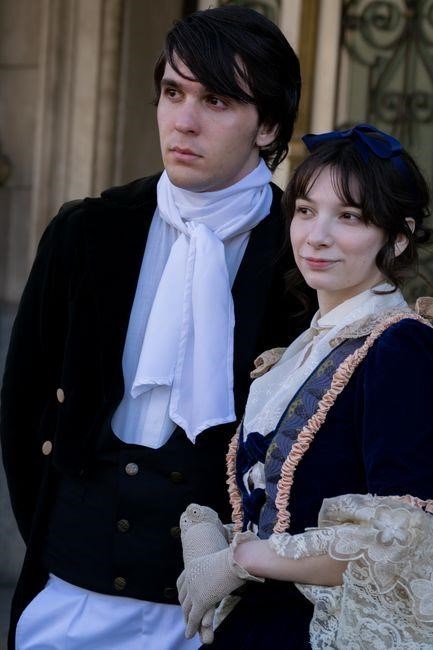
Readers are encouraged to examine how the era’s legal restrictions on same‑sex relationships shaped the clandestine strategies employed by the characters. The novel’s detailed depiction of 19th‑century fashion—corsets, waistcoats, and lace—serves as a visual cue to the era’s gender norms.

Marketing and Promotion: Book Tours and Media Features
Since its 2017 release, gentlemans guide to vice and virtue benefited from a robust marketing strategy that leveraged book tours and media outreach. Author Mackenzi Lee embarked on a nationwide tour, stopping in New York, Los Angeles, Chicago, and Boston for panel discussions at the New York Public Library and the Los Angeles County Museum of Art. These appearances were complemented by book signings at Powell’s Books in Portland and Barnes & Noble in San Francisco, allowing fans to meet the writer and discuss the novel’s exploration of 19th‑century queer identity. The tour was amplified by a partnership with HarperCollins’ digital team, producing short video interviews posted on YouTube and Instagram, featuring behind‑the‑scenes footage of Lee rehearsing her monologue about the novel’s title. Additionally, the publisher secured placements in prominent literary outlets, including a feature in The New York Times Book Review and an interview on NPR’s “All Things Considered.” These media features highlighted the book’s critical acclaim, its five-star reviews, and its status as a New York Times bestseller, thereby attracting a broader readership beyond the YA demographic. The campaign also included a limited‑edition hardcover release that sold out in summer.
In addition to the physical tour, the book was featured on several podcast platforms, including “The History of the Book” and “Queer History Hour,” where Lee discussed the novel’s inspiration drawn from her own family history and the broader context of LGBTQ+ visibility in the 1800s. The podcast appearances were strategically timed to coincide with the release of the audiobook version on Audible, which was promoted through a limited‑time discount on Amazon and a cross‑promotion with HarperCollins’ podcast network. The synergy between print, audio, and digital media ensured that the novel maintained a steady presence on bestseller lists and social media feeds for months after its launch.

Series Continuation: Sequel ‘The Ladies Guide to Petticoats and Piracy’
The Montague Siblings saga extends beyond the original novel with the release of The Ladies Guide to Petticoats and Piracy, the second installment in the series. Published by Katherine Tegen Books on June 27, 2017, this sequel builds on the adventurous spirit of Henry Monty, Percy, and Felicity as they navigate the perilous waters of 19th‑century maritime intrigue. The narrative shifts focus to the sisters’ daring escapades aboard a smuggler’s brig, intertwining themes of female empowerment, clandestine romance, and the relentless pursuit of freedom. Readers are drawn into a richly detailed world where the siblings’ bond is tested by treacherous sea storms, political conspiracies, and the ever‑present threat of naval patrols. The book’s vivid descriptions of coastal towns, bustling ports, and the clandestine networks of smugglers highlight the author’s meticulous research into period customs and maritime law. Critics praised the sequel for its witty dialogue, complex character arcs, and the way it expands the universe established in the first book. The novel’s success reinforced Mackenzi Lee’s reputation as a writer who deftly blends historical accuracy with contemporary relevance, ensuring that the Montague Siblings remain a beloved fixture in YA historical fiction.
Upon its release, the sequel quickly climbed bestseller lists, securing a spot on the New York Times Top 10 for young adult fiction. It earned starred reviews from Publishers Weekly and Kirkus, and was named an Indie Next Pick by Amazon. The book’s exploration of gender fluidity and queer identity resonated with LGBTQ+ readers, further cementing the series’ place in inclusive YA literature. The sequel also received a nomination for the 2018 Stonewall Book Award, underscoring its cultural significance. Fans praised the novel’s blend of adventure and introspection, noting how the siblings’ growth mirrors the broader social changes of the era. The success of the second book has sparked discussions about a potential third volume, with readers eagerly awaiting the next chapter in the Montague family’s odyssey.
In addition, the sequel’s audiobook, narrated by Christian Coulson, received acclaim for its dynamic performance, further expanding the story’s reach across media platforms.